
 By James Linda
Designer: Shaping Creativity, Innovation, and Style Across Industries
In the modern world, the term designer encompasses a broad spectrum of professionals who bring creativity, innovation, and practical solutions to life. From fashion runways to digital platforms, interior spaces to product innovation, designers play a pivotal role in defining aesthetics, functionality, and user experience. They are the creative minds who bridge imagination and reality, crafting solutions that resonate with both form and function.
Understanding the Role of a Designer
A designer is someone who plans, creates, and executes concepts to solve specific problems or deliver particular experiences. Designers use a combination of artistic sensibility, technical knowledge, and strategic thinking to develop products, visuals, or spaces that meet client or user needs. While the responsibilities vary across design disciplines, the common goal remains the creation of meaningful and engaging solutions.
Designers are often involved in every stage of a project—from conceptualization and research to prototyping and final execution. They must balance creativity with functionality, ensuring that the final output is not only visually appealing but also practical, sustainable, and aligned with user expectations.
Types of Designers
The field of design is highly diverse, with each type of designer focusing on different aspects of creativity and functionality. Some prominent categories include:
1. Fashion Designers
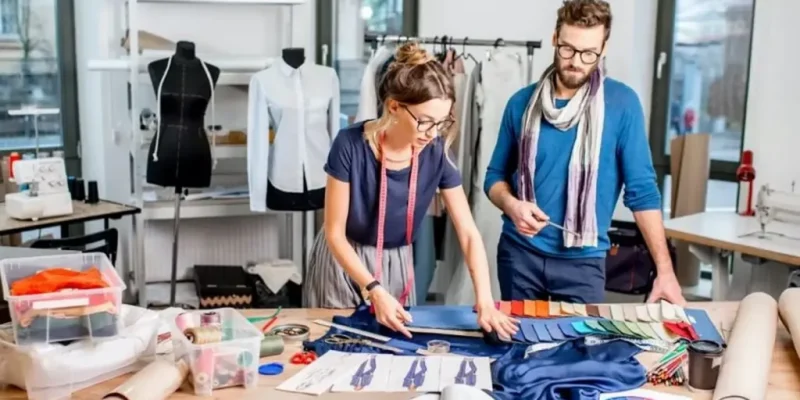
Fashion designers create clothing, accessories, and footwear. They analyze trends, choose fabrics, design patterns, and oversee the production process. Fashion designers often work with brands, boutiques, or independently, influencing style and culture globally. They combine aesthetics, comfort, and market demand to craft clothing that reflects identity and lifestyle.
2. Graphic Designers
Graphic designers focus on visual communication. They work with typography, images, color schemes, and layout to create branding materials, advertisements, websites, and digital content. Graphic design blends art with technology, requiring proficiency in software tools and an understanding of audience engagement.
3. Interior Designers
Interior designers create functional and aesthetically pleasing interior spaces. They consider spatial planning, lighting, furniture, color palettes, and material selection to craft environments that enhance comfort, usability, and visual appeal. Interior designers work in residential, commercial, and public spaces.
4. Product Designers
Product designers develop tangible goods, from consumer electronics to household items. They focus on functionality, ergonomics, usability, and market demand. Their work involves prototyping, testing, and refining designs to ensure products meet quality and safety standards.
5. UX/UI Designers
UX (User Experience) and UI (User Interface) designers specialize in digital products such as websites and mobile applications. They focus on usability, accessibility, and engagement, ensuring that digital interactions are seamless, intuitive, and visually appealing.
Essential Skills of a Designer
While skills vary depending on the discipline, some core abilities are common to most designers:
- Creativity and Innovation: The ability to generate original ideas and unique solutions.
- Technical Proficiency: Mastery of tools, software, and materials relevant to the design field.
- Communication Skills: Ability to articulate ideas effectively to clients, teams, and stakeholders.
- Problem-Solving: Identifying challenges and developing functional, user-centered solutions.
- Attention to Detail: Ensuring precision in aesthetics, dimensions, and quality.
- Adaptability: Staying updated with trends, technologies, and evolving user needs.
The Process of Designing
The design process often follows a structured approach, regardless of discipline:
1. Research and Inspiration
Designers start by understanding client requirements, market trends, user needs, and cultural context. Research helps identify opportunities and constraints, guiding the creative process.
2. Concept Development
This stage involves brainstorming ideas, sketching concepts, and creating initial prototypes. Designers experiment with forms, colors, materials, and layouts to visualize potential solutions.
3. Refinement and Testing
Designers refine their concepts based on feedback, feasibility, and functional requirements. Prototypes are tested for usability, durability, and aesthetic appeal.
4. Execution and Production
Once finalized, designs are produced or implemented. This stage may involve manufacturing, digital development, or space construction, depending on the design discipline.
5. Evaluation and Iteration
Post-execution analysis allows designers to evaluate effectiveness, gather feedback, and make improvements for future projects. Continuous iteration ensures that design solutions remain relevant and impactful.
Impact of Designers Across Industries
Designers influence virtually every industry by enhancing aesthetics, usability, and customer engagement:
- Fashion: Designers shape cultural trends, promote sustainable practices, and drive brand identity.
- Technology: UX/UI designers improve digital interactions, boosting accessibility and customer satisfaction.
- Retail and Product Development: Product designers innovate functional, marketable goods that meet user expectations.
- Architecture and Interiors: Interior and spatial designers transform environments, improving comfort, productivity, and well-being.
- Marketing and Branding: Graphic designers create compelling visuals that communicate brand values and drive audience engagement.
Challenges Faced by Designers
While the profession is rewarding, designers often encounter challenges such as:
- Balancing Creativity and Practicality: Ensuring designs are both innovative and feasible.
- Client Expectations: Meeting diverse client requirements while maintaining artistic integrity.
- Rapid Technological Changes: Staying updated with evolving tools and digital trends.
- Market Competition: Standing out in a crowded, highly competitive field.
- Sustainability Concerns: Designing products and spaces that are environmentally responsible.
Tips for Aspiring Designers
For those seeking a career in design, the following guidance can be valuable:
- Pursue Education and Training: Enroll in specialized courses, workshops, or degree programs.
- Build a Portfolio: Showcase diverse projects to demonstrate skills and creativity.
- Stay Updated: Follow industry trends, emerging technologies, and market demands.
- Network with Professionals: Connect with designers, attend events, and seek mentorship.
- Practice Continuously: Experiment with different mediums, projects, and styles to refine expertise.
The Future of Design
The design industry is evolving rapidly due to technology, sustainability, and global cultural shifts:
- Digital Transformation: Designers are increasingly leveraging AI, AR/VR, and other digital tools to create immersive experiences.
- Sustainable Design: Eco-conscious materials and practices are becoming a priority in fashion, interiors, and product development.
- Interdisciplinary Collaboration: Designers collaborate across industries, blending skills to innovate solutions in technology, healthcare, and urban planning.
- Personalization and Customization: Designers focus on creating personalized experiences and products tailored to individual preferences.
Conclusion
Designers are the visionaries who translate creativity into tangible solutions across diverse industries. Whether in fashion, interiors, digital interfaces, or product innovation, designers influence aesthetics, usability, and cultural trends. Their work requires a blend of creativity, technical knowledge, and strategic thinking, along with an understanding of user needs and market dynamics. By embracing innovation, sustainability, and interdisciplinary collaboration, designers continue to shape the world around us, making their profession both impactful and inspiring.
FAQ Section
1. What is the primary role of a designer?
A designer conceptualizes, creates, and executes solutions that combine aesthetics, functionality, and user experience, tailored to specific industries or audiences.
2. How do fashion designers differ from graphic designers?
Fashion designers focus on clothing and accessories, analyzing trends and creating wearable products, while graphic designers specialize in visual communication, creating digital or printed media.
3. Do all designers need formal education?
While formal education can provide foundational skills, many designers build successful careers through self-learning, practice, and portfolio development.
4. What tools do designers commonly use?
Tools vary by discipline but may include CAD software, Adobe Creative Suite, sketchbooks, prototyping tools, and digital design platforms.
5. How can aspiring designers build a strong portfolio?
Showcase diverse projects, highlight problem-solving skills, document the design process, and include both conceptual and executed work.
6. What industries benefit most from design expertise?
Nearly all industries benefit, including fashion, technology, product development, marketing, interiors, architecture, healthcare, and entertainment.
7. How do designers stay innovative in a competitive field?
By researching trends, experimenting with new materials or tools, collaborating across disciplines, and continuously refining their creative and technical skills.
Designers are not just creators; they are problem solvers, innovators, and trendsetters. Their expertise shapes the way we interact with the world, from the clothes we wear to the digital experiences we navigate daily, highlighting the essential role of design in modern society.