 By James Linda
In the ever-evolving world of fashion, boutiques have carved a distinct niche by offering unique, personalized, and high-quality shopping experiences. Unlike mainstream retail stores, boutiques emphasize exclusivity, individual style, and a curated selection of products that reflect both contemporary trends and timeless elegance. For fashion enthusiasts and discerning shoppers, visiting a boutique is not just about purchasing clothing—it’s an immersive experience that celebrates personal expression and aesthetic sophistication.
Understanding What a Boutique Is
A boutique is a small retail shop that specializes in niche products, particularly fashion items like clothing, accessories, footwear, or jewelry. The core difference between a boutique and a standard retail store lies in its approach to curation, service, and ambiance. Boutiques often prioritize quality over quantity, selecting products that align with a specific theme, designer, or fashion philosophy.
Boutiques cater to customers seeking exclusivity and a sense of individuality. The intimate environment allows staff to provide personalized service, styling advice, and recommendations tailored to each client’s preferences. This focus on customer experience is a hallmark of boutique culture, distinguishing it from larger department stores or mass-market outlets.
Types of Boutiques
Boutiques come in various forms, each designed to cater to specific tastes, demographics, or lifestyle preferences. Some common types include:
1. Fashion Boutiques
Fashion boutiques focus primarily on clothing, offering exclusive collections from designers or specialized brands. They may carry seasonal collections, limited-edition pieces, or handcrafted garments. Many fashion boutiques also feature custom tailoring services to ensure a perfect fit for clients.
2. Accessory and Jewelry Boutiques
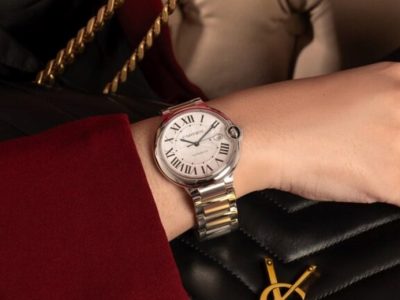
These boutiques specialize in accessories such as handbags, scarves, belts, watches, and jewelry. They often feature artisan or designer pieces that are not widely available in mainstream stores, appealing to customers looking for unique statement items.
3. Lifestyle Boutiques
Lifestyle boutiques go beyond fashion and offer curated selections of home décor, beauty products, stationery, and lifestyle essentials. These boutiques create a cohesive shopping experience that reflects a particular aesthetic or philosophy, such as minimalism, eco-conscious living, or vintage-inspired style.
4. Online Boutiques
With the growth of e-commerce, many boutiques operate exclusively online. Online boutiques replicate the personalized experience through curated selections, detailed product descriptions, virtual styling advice, and seamless customer service.
Key Features of a Successful Boutique
The success of a boutique depends on a combination of curation, customer experience, and brand identity. Key features include:
- Curated Inventory: Boutiques carefully select each item to ensure it fits the store’s aesthetic and quality standards. Limited stock enhances exclusivity and appeal.
- Personalized Customer Service: Staff often provide one-on-one styling advice, offer wardrobe consultations, and assist with custom orders.
- Ambience and Design: Boutique interiors are designed to create an immersive experience, often reflecting the brand’s personality through décor, lighting, and layout.
- Brand Storytelling: Many boutiques emphasize storytelling, showcasing the designer’s journey, inspiration, or sustainable practices to connect with customers on an emotional level.
The Boutique Shopping Experience
Shopping at a boutique is an experience that engages all senses. From the moment a customer enters the store, the atmosphere is crafted to feel intimate, welcoming, and inspiring. Sales associates often play the role of style advisors, helping clients mix and match items, discover new trends, and make informed purchasing decisions.
Boutiques often host exclusive events such as trunk shows, product launches, and styling workshops. These events foster community engagement, allowing customers to connect with designers, artisans, and fellow fashion enthusiasts. The boutique experience emphasizes quality interactions, personalized attention, and a sense of discovery that is difficult to replicate in mass-market retail environments.
Benefits of Shopping at a Boutique
- Exclusivity: Boutiques often carry limited-edition or one-of-a-kind items, ensuring customers stand out with unique fashion choices.
- Expert Advice: Knowledgeable staff provide styling tips, fit guidance, and fashion insights tailored to individual preferences.
- Quality Products: Boutiques prioritize high-quality materials, craftsmanship, and attention to detail, offering products that are durable and stylish.
- Personalized Service: Personalized attention enhances the shopping experience, creating long-term customer loyalty.
- Trend Access: Boutiques often feature emerging designers and the latest fashion trends, allowing shoppers to stay ahead of mainstream offerings.
Challenges Faced by Boutiques
Operating a boutique comes with unique challenges, including:
- High Operational Costs: Rent, staffing, and inventory expenses can be significant, particularly in prime retail locations.
- Limited Market Reach: Smaller boutiques may struggle to reach a broad audience compared to online or chain stores.
- Inventory Management: Managing a curated, limited inventory requires careful planning to avoid overstock or shortages.
- Competition from Mass Retailers: Large retail chains and online marketplaces can offer lower prices and broader selections, posing competition to boutique businesses.
Tips for Choosing the Right Boutique
Selecting a boutique that aligns with your style requires careful consideration:
- Research the Brand: Explore the boutique’s style philosophy, designers, and product offerings.
- Evaluate Quality: Check the craftsmanship, materials, and finishes of the products.
- Consider Customer Service: A boutique that offers personalized assistance can enhance your shopping experience.
- Assess the Ambiance: The store’s layout, lighting, and overall vibe should resonate with your personal style.
- Look for Unique Offerings: Boutiques that offer exclusive or limited-edition products provide a sense of individuality and style.
Emerging Trends in Boutique Retail
Modern boutiques are evolving to meet the demands of today’s fashion-conscious consumers:
- Sustainable and Ethical Fashion: Many boutiques now feature eco-friendly, ethically sourced, or vegan products, appealing to socially conscious shoppers.
- Tech Integration: Online boutiques, mobile apps, and virtual consultations are becoming standard, bridging the gap between physical and digital shopping experiences.
- Collaborations with Designers: Boutique collaborations with independent designers or local artisans create exclusive collections that attract trendsetters.
- Experiential Shopping: Boutiques increasingly incorporate events, workshops, and interactive displays to create memorable experiences beyond traditional retail.
Conclusion
Boutiques continue to play a vital role in the fashion ecosystem by offering curated, high-quality, and personalized shopping experiences. From exclusive designer collections to personalized styling advice, boutiques provide a unique alternative to mass-market retail stores. By focusing on customer experience, quality, and individuality, boutiques not only enhance style but also foster lasting connections with their clientele. Whether visiting a physical store or exploring online offerings, boutique shopping remains a powerful way to express personal style, discover unique fashion, and enjoy a premium retail experience.
FAQ Section
1. What differentiates a boutique from a regular retail store?
Boutiques focus on curated, high-quality, and exclusive products, along with personalized customer service, whereas regular retail stores prioritize mass-market availability and broader selections.
2. Can boutiques accommodate custom orders or personalized items?
Yes, many boutiques offer custom tailoring, personalized designs, or made-to-order options to cater to individual preferences.
3. Are online boutiques as effective as physical stores?
Online boutiques replicate the curated and personalized experience digitally, often offering virtual styling, exclusive collections, and detailed product descriptions.
4. How can I find a boutique that fits my personal style?
Research the boutique’s aesthetic, designers, product offerings, and customer reviews. Visiting the store and interacting with staff can also help gauge if it aligns with your style.
5. Are boutique products more expensive than regular retail items?
Boutique items can be more expensive due to limited availability, higher quality materials, craftsmanship, and exclusive designs.
6. Do boutiques only cater to fashion enthusiasts?
No, boutiques cater to anyone seeking unique, high-quality products and personalized shopping experiences, regardless of their fashion expertise.
7. Can boutiques provide fashion advice or styling tips?
Yes, knowledgeable staff at boutiques often act as style advisors, offering personalized recommendations and helping clients build cohesive wardrobes.
Boutiques offer more than just products—they provide a personalized, curated, and exclusive experience that enhances style and celebrates individuality, making them an essential part of the modern fashion landscape.