 By James Linda
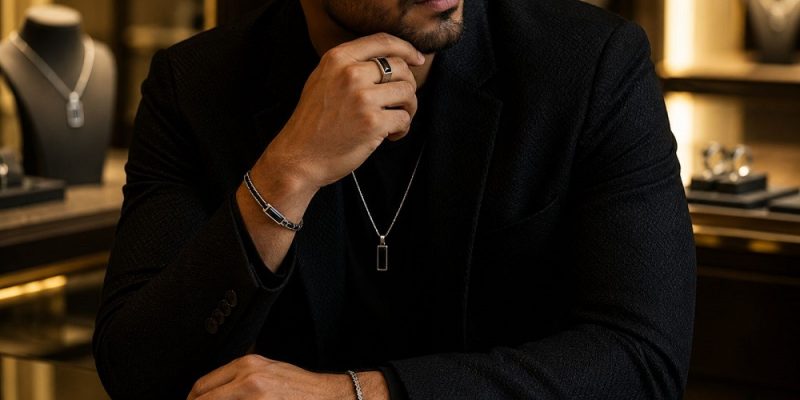
Men’s jewelry has evolved beyond simple wedding bands and functional timepieces. Throughout history, men of distinction, leadership, and style have adorned themselves with metals, precious stones, and curated accessories to express individuality, status, and personal refinement. Today, the modern menswear landscape embraces jewelry not as an eccentric distraction, but as an essential finishing touch that elevates an ensemble from ordinary to memorable.
Many men hesitate to wear jewelry because they fear looking over-accessorized or flashy. The secret to wearing jewelry with effortless confidence lies in sticking to classic, time-tested staples. Subtle design, proportion, quality materials, and restraint are the guiding principles. Choosing the right foundational pieces ensures a man enhances his personal style while remaining grounded, sophisticated, and polished in any setting.
The Timeless Wristwatch
A finely crafted wristwatch is the undisputed cornerstone of men’s jewelry. Beyond its practical role as a timekeeping instrument, a quality watch serves as an anchor for the wrist, balancing proportions and introducing mechanical artistry to an outfit.
-
The Dress Watch: Characterized by a slim profile, a clean and uncluttered dial, and a supple leather strap in black or brown. A classic dress watch slips effortlessly beneath a tailored shirt cuff, making it the premier choice for black-tie events, boardroom meetings, and formal occasions.
-
The Steel Sports Watch: Featuring durable stainless steel bracelets and robust cases, dive watches, chronographs, and field watches offer exceptional versatility. A well-proportioned steel sports watch pairs as naturally with raw denim and a t-shirt as it does with a sharp, deconstructed blazer.
-
Material Selection: Stainless steel, titanium, yellow gold, and rose gold represent the primary metal foundations. Beginners should start with brushed or polished stainless steel due to its neutral tone, extreme durability, and universal compatibility with other accessories.
Understated Metal Cuff Bracelets and Chain Links
A bracelet introduces visual texture to the wrist opposite a watch, or it can sit alongside a timepiece to create a curated stack. The goal is to choose designs that feel substantial and masculine without cluttering the arm.
-
The Minimalist Metal Cuff: A solid, open-ended cuff made from sterling silver, brass, or brushed steel offers clean lines and architectural simplicity. Its low profile ensures it never interferes with daily tasks, typing, or formal attire.
-
The Classic Chain Link: Cable, curb, and Figaro link bracelets provide subtle movement and catch ambient light naturally. Selecting a medium gauge, roughly four to six millimeters in width, guarantees the piece looks intentional rather than delicate or overly heavy.
-
Leather and Metal Wraps: Braided full-grain leather bracelets finished with sterling silver or stainless steel clasps provide a rugged, tactile bridge between casual wear and refined metalwork, making them ideal for weekend outings and relaxed environments.
The Signet Ring and Minimalist Bands
Rings carry historical weight and symbolic power. While the wedding band remains the most common ring worn by men, introducing secondary rings allows for personal storytelling and stylistic distinction.
-
The Heritage Signet Ring: Historically used by nobility to press a personal wax seal onto official correspondence, the signet ring features a flat bezel that can be left polished, engraved with personal initials, or set with a flat cut of onyx, lapis lazuli, or tiger’s eye. Worn traditionally on the pinky or ring finger, a signet ring delivers immediate vintage appeal.
-
The Subtle Metal Band: A clean, unadorned band measuring four to seven millimeters in width, finished in matte, brushed, or hammered metal, brings a modern touch to the index or middle finger without looking loud.
-
Proportion and Fit: The scale of the ring must match the size of the wearer’s hands. Broad hands and thicker fingers can easily accommodate substantial, wide-set rings, whereas leaner hands look best with refined, narrower bands.
Refined Neck Chains and Pendants
A necklace on a man should look natural, as if it is a permanent part of his daily wear rather than an afterthought. The key to mastering neckwear is choosing the correct chain length, link type, and scale.
-
The Classic Box and Curb Chains: A slim chain measuring between two and three millimeters in width offers quiet elegance. It sits comfortably against the skin, whether peeking through an open collar or resting beneath a crewneck sweater.
-
The Meaningful Pendant: Suspending a subtle coin, dog tag, compass, cross, or geometric token from a chain adds a focal point. Pendants should remain relatively small and sit flat against the chest to maintain a streamlined silhouette.
-
Finding the Ideal Length: Standard chain lengths for men range from twenty to twenty-four inches. A twenty-inch chain rests cleanly at the collarbone and remains visible with an open-collar shirt, while a twenty-two or twenty-four-inch chain sits lower on the chest, making it easy to tuck under a shirt when a discreet look is desired.
Tailored Cufflinks and Functional Tie Bars
In formal and business environments, functional hardware doubles as personal ornamentation. These tailored accents bring precision and intentionality to suiting and formal shirts.
-
Engine-Turned and Enamel Cufflinks: French cuff shirts require functional closure, providing an ideal opportunity for refined jewelry. Solid sterling silver cufflinks featuring engine-turned crosshatch patterns, mother-of-pearl inlays, or deep navy enamel provide timeless luxury without screaming for attention.
-
The Polished Tie Bar: A tie bar serves the dual purpose of pinning a necktie to the shirt placket while adding a clean horizontal gleam of metal across the chest. The tie bar should never exceed three-quarters the width of the tie and should always be positioned between the third and fourth buttons of the dress shirt.
-
Lapel Pins and Collar Bars: For white-tie events, weddings, or bespoke tailoring enthusiasts, subtle geometric lapel pins and vintage collar bars lift the tie knot and present a sharp, historically informed silhouette.
Essential Rules for Wearing Men’s Jewelry with Poise
Confidence stems from cohesion and comfort. Following a few practical styling rules prevents accessories from overwhelming the man wearing them.
-
Harmonize Metal Tones: While deliberate mixed-metal styling is possible, beginners should match the metal tones of their watch, rings, bracelet, and belt buckle. Silver, platinum, and white gold pair effortlessly with cool tones like navy, grey, and black. Yellow gold and brass bring rich warmth to earth tones, browns, and olive greens.
-
Practice the Rule of Restraint: Less is consistently more in men’s accessorizing. Aim for no more than two or three visible jewelry components at a time, such as a watch, a single ring, and a tucked-in chain.
-
Prioritize Material Quality over Size: Solid metals like 925 sterling silver, solid gold, and surgical-grade stainless steel age with a rich, natural patina. Cheap base metals with thin plating tend to chip, discolor the skin, and degrade quickly under daily wear.
-
Own the Look: Jewelry should feel comfortable and personal. Choose pieces that align with your lifestyle, physical build, and daily routine so you wear the jewelry, rather than letting the jewelry wear you.
Frequently Asked Questions
Which metal color looks best against different skin undertones?
Skin with cool undertones, characterized by bluish veins and rosy or pale complexions, naturally harmonizes with cool-toned metals like sterling silver, platinum, and stainless steel. Skin with warm undertones, characterized by greenish veins and golden or olive complexions, pairs exceptionally well with yellow gold, brass, and bronze. Neutral skin undertones can comfortably wear both metal families.
Can a man wear a necklace in a corporate or professional office environment?
Yes, a man can wear a necklace in a professional setting provided it is slim, understated, and remains tucked beneath the dress shirt or sweater placket. Tucking the chain ensures it remains a personal, discreet accessory that does not distract from business interactions or violate formal corporate dress codes.
Is it acceptable to wear a bracelet and a watch on the same wrist?
Wearing a bracelet and watch on the same wrist is a classic and popular styling choice. To prevent scratches on both pieces, pair a metal watch with a soft leather or cord bracelet, or place a slim, snug-fitting metal cuff just above the watch case so the pieces do not rub together during movement.
How do I properly clean and care for sterling silver men’s jewelry at home?
Sterling silver naturally oxidizes over time when exposed to oxygen, humidity, and skin oils. To clean it, wash the jewelry in warm water mixed with a mild, phosphate-free dish soap using a soft microfiber cloth or a soft-bristled toothbrush. Dry the piece thoroughly and buff it gently with a dedicated jeweler’s polishing cloth to restore its original luster.
What is the ideal thickness for a man’s daily casual ring?
For daily casual wear, a band thickness between five and seven millimeters is considered the sweet spot for most men. This width provides enough physical presence to look substantial without feeling bulky or pinching the surrounding fingers during gripping, typing, or heavy physical work.
Should casual leather bracelets be taken off before showering or swimming?
Yes, leather bracelets should always be removed before showering, swimming, or working out. Prolonged exposure to water, soap surfactants, and chlorine strips the natural oils from the leather, causing it to stiffen, crack, shrink, and harbor persistent moisture and unpleasant odors against the skin.
Can a signet ring be worn on fingers other than the pinky finger?
While historical tradition places the signet ring on the pinky finger of the non-dominant hand, modern style rules are flexible. Many men wear signet rings comfortably on the ring finger or middle finger, especially if the signet bezel is larger or features a substantial natural stone inlay that looks more balanced on a broader digit.
What is your reaction?
Excited
0
Happy
0
In Love
0
Not Sure
0
Silly
0