 By James Linda
Jewelry has been a symbol of beauty, status, and personal expression for centuries. From ancient civilizations to modern fashion, jewelry continues to play a pivotal role in enhancing appearances, marking significant life events, and reflecting individual style. Whether it’s a delicate necklace, statement earrings, or a classic ring, jewelry serves both functional and aesthetic purposes. Understanding its types, materials, historical significance, and styling techniques is essential for anyone looking to make informed choices in accessorizing.
The History and Cultural Significance of Jewelry
Jewelry has a rich history spanning thousands of years. In ancient times, it was used to signify social status, protect against evil spirits, or mark significant life events. For example:
- Ancient Egypt: Jewelry made from gold, gemstones, and beads was worn by both men and women. Symbolic motifs such as scarabs and lotus flowers were common.
- India: Jewelry has cultural and religious importance, often associated with rituals, marriage ceremonies, and regional traditions.
- Europe: During the Renaissance, jewelry became a marker of wealth and fashion, incorporating intricate designs and gemstones.
Today, jewelry continues to carry symbolic meaning while serving as a fashion accessory that complements outfits, expresses personality, and enhances confidence.
Types of Jewelry
Jewelry is incredibly diverse, with each type serving a different purpose and aesthetic. Some of the most popular categories include:
1. Necklaces
Necklaces are versatile pieces that range from delicate chains to bold statement pieces. Types include:
- Pendant Necklaces: Feature a single charm or gemstone, ideal for everyday wear.
- Choker Necklaces: Sit close to the neck and create a fashionable, modern look.
- Statement Necklaces: Bold designs that draw attention and complement formal or evening wear.
2. Earrings
Earrings frame the face and enhance features. Popular styles include:
- Studs: Simple and elegant, suitable for casual or professional settings.
- Hoops: Circular earrings that vary in size, adding a playful or sophisticated touch.
- Dangle or Drop Earrings: Hang below the earlobe for a dramatic, eye-catching effect.
3. Rings
Rings symbolize commitment, status, or personal style. Common types include:
- Engagement Rings: Typically feature a central gemstone, often a diamond.
- Wedding Bands: Classic rings exchanged during marriage ceremonies.
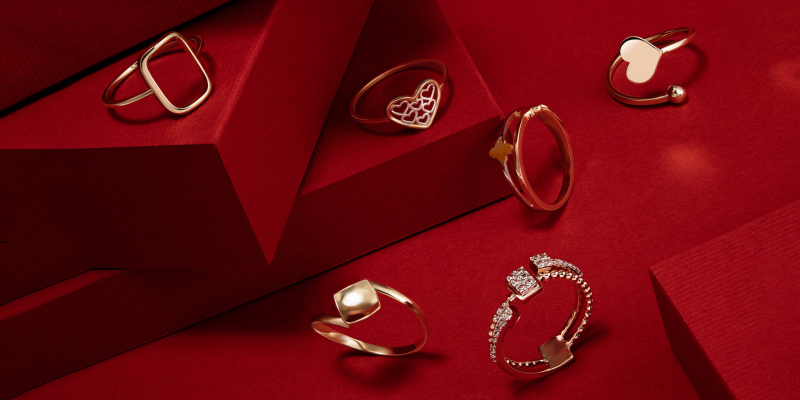
- Fashion Rings: Used as accessories to complement outfits and express personality.
4. Bracelets and Bangles
Worn around the wrist, bracelets and bangles add elegance and style. Types include:
- Chain Bracelets: Simple and versatile, suitable for layering with other bracelets.
- Cuff Bracelets: Wide and rigid, making a bold fashion statement.
- Charm Bracelets: Feature decorative charms representing personal milestones or interests.
5. Brooches and Pins
Brooches are decorative pins often used to embellish clothing, hats, or bags. They range from vintage designs to modern artistic pieces.
Materials and Craftsmanship in Jewelry
Jewelry is crafted from a wide range of materials, each offering unique aesthetics and durability:
- Precious Metals: Gold, silver, and platinum are traditional choices known for longevity and elegance.
- Gemstones: Diamonds, sapphires, rubies, and emeralds are highly valued for their beauty and rarity.
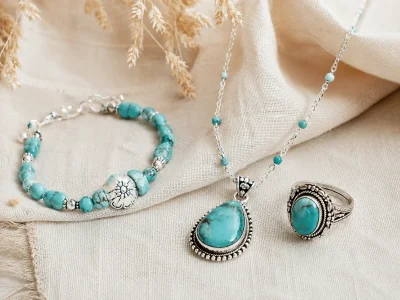
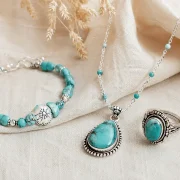
- Semi-Precious Stones: Amethyst, turquoise, garnet, and topaz provide affordable alternatives with striking colors.
- Pearls: Organic gems formed in mollusks, often used in necklaces, earrings, and bracelets for a classic look.
- Alloys and Contemporary Materials: Stainless steel, titanium, and resin are increasingly used in modern jewelry for affordability and unique designs.
Choosing Jewelry for Different Occasions
Selecting the right jewelry depends on the occasion, outfit, and personal style:
- Everyday Wear: Simple studs, delicate chains, and minimalistic rings offer elegance without overwhelming casual outfits.
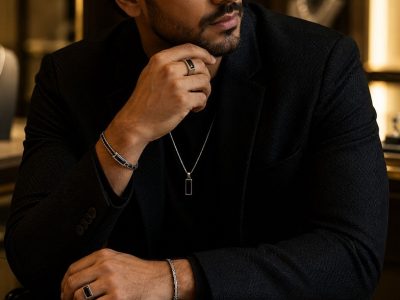
- Workplace Jewelry: Professional settings often favor subtle, understated pieces such as small hoop earrings, sleek bracelets, or modest rings.
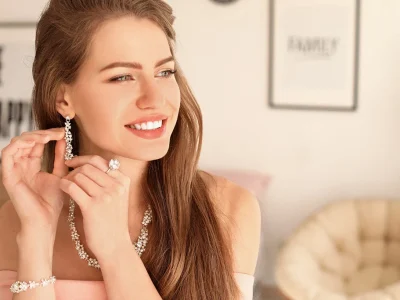
- Formal Events: Statement necklaces, chandelier earrings, and gemstone rings add glamour and sophistication.
- Festive or Cultural Celebrations: Traditional jewelry, often elaborate and colorful, reflects cultural heritage and ceremonial significance.
Styling Tips for Jewelry
Proper styling ensures jewelry enhances an outfit rather than overpowering it:
- Balance is Key: Pair bold statement pieces with simpler accessories to avoid a cluttered look.
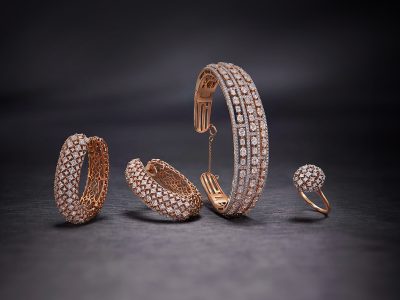
- Coordinate Metals: Mixing gold, silver, and rose gold can work if done thoughtfully; otherwise, stick to one metal for cohesion.
- Consider Necklines: The type of necklace should complement the outfit’s neckline. For example, chokers suit high collars, while pendants pair well with V-necks.
- Layering Jewelry: Layering necklaces, bracelets, or rings can create a fashionable, personalized style.
- Highlighting Features: Choose earrings and necklaces that draw attention to facial features, neckline, or hands.
Caring for Jewelry
Proper care preserves the beauty and longevity of jewelry:
- Regular Cleaning: Use gentle cleaning solutions or cloths to remove dirt, oils, and residues.
- Safe Storage: Store jewelry separately in boxes, pouches, or trays to prevent scratches and tangling.
- Avoid Chemicals: Perfumes, lotions, and household cleaners can tarnish metals and damage gemstones.
- Professional Maintenance: Have valuable pieces periodically checked and polished by a professional jeweler.
Jewelry Trends in 2025
Contemporary jewelry trends focus on creativity, sustainability, and personal expression:
- Sustainable Jewelry: Eco-friendly materials, ethically sourced gemstones, and recycled metals are gaining popularity.
- Statement Pieces: Bold, oversized earrings and chunky chains are dominating fashion runways.
- Minimalism: Simple, geometric designs continue to appeal to those favoring understated elegance.
- Personalized Jewelry: Customized pieces with initials, birthstones, or meaningful symbols are increasingly sought after.
- Mixed Media: Combining metals, gemstones, and non-traditional materials allows for unique, artistic designs.
Investing in Jewelry
Jewelry can serve as both a fashion accessory and an investment:
- Precious Metals: Gold and platinum retain value over time and can be liquidated if necessary.
- Gemstones: High-quality diamonds and rare gemstones appreciate over time when properly cared for.
- Vintage Jewelry: Antique pieces often increase in value due to rarity and craftsmanship.
Conclusion
Jewelry remains an essential aspect of fashion, personal expression, and cultural heritage. From timeless classics to contemporary trends, it offers endless opportunities to enhance style, convey personality, and celebrate life’s milestones. By understanding the types, materials, styling techniques, and care practices, anyone can make informed decisions to select and wear jewelry that complements their wardrobe and lifestyle. Whether for daily wear, professional settings, festive occasions, or investment purposes, jewelry continues to be a symbol of elegance, artistry, and individuality.
FAQ Section
1. What is the most versatile piece of jewelry for daily wear?
Delicate stud earrings and simple chain necklaces are highly versatile for everyday outfits.
2. How can I mix and match metals in jewelry?
Combine metals thoughtfully by layering or pairing complementary designs; balance is key to avoiding a cluttered look.
3. Which gemstones are best for investment purposes?
High-quality diamonds, sapphires, rubies, and emeralds tend to retain or increase in value over time.
4. How do I clean and maintain gold jewelry at home?
Use warm water with mild soap, gently scrub with a soft brush, and dry with a lint-free cloth. Avoid harsh chemicals.
5. Can jewelry be personalized for special occasions?
Yes, initials, birthstones, and custom designs make jewelry unique and meaningful for special events like weddings, anniversaries, or birthdays.
6. What types of jewelry are suitable for formal events?
Statement necklaces, chandelier earrings, and gemstone rings complement formal dresses and evening attire.
7. How can I ensure jewelry lasts for generations?
Regular cleaning, proper storage, avoiding exposure to chemicals, and professional maintenance will preserve both appearance and structural integrity.
Jewelry is more than an accessory—it is an art form, a personal statement, and a reflection of culture and style. Understanding its nuances empowers individuals to wear, collect, and invest in pieces that are both beautiful and meaningful.