 By James Linda
Jewelry has always been more than just adornment; it is a reflection of personality, culture, and artistry. From delicate necklaces to statement rings, the world of jewelry encompasses a wide range of styles and materials, catering to diverse tastes and occasions. Whether you’re a collector, a fashion enthusiast, or someone looking to gift a meaningful piece, understanding the nuances of jewelry can significantly enhance your experience.
The Evolution of Jewelry
Jewelry has a rich history that dates back thousands of years. Ancient civilizations, such as the Egyptians, Greeks, and Romans, crafted jewelry not only for decorative purposes but also for social and spiritual significance. Gold, silver, and gemstones were often associated with status, power, and protection. Over time, jewelry evolved through the Renaissance, Victorian, and Art Deco periods, each era introducing unique styles, craftsmanship techniques, and cultural influences that continue to inspire modern designs.
Today, contemporary jewelry blends traditional craftsmanship with innovative materials and designs, creating pieces that appeal to modern aesthetics while honoring historical influences.
Types of Jewelry
Jewelry can be categorized based on its purpose, design, or the material used. Understanding these categories helps in selecting the right piece for your style and occasion.
1. Necklaces and Pendants
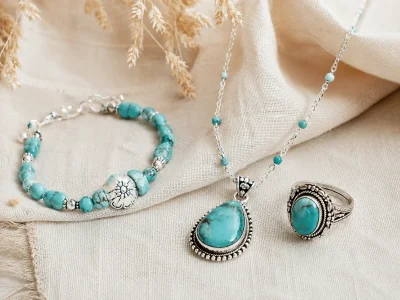
Necklaces remain one of the most versatile jewelry pieces. They can range from delicate chains to elaborate statement pieces. Pendants add personal significance, often featuring symbolic charms, initials, or gemstones. Layering multiple necklaces has become a popular trend, allowing wearers to combine different lengths and textures for a unique look.
2. Rings
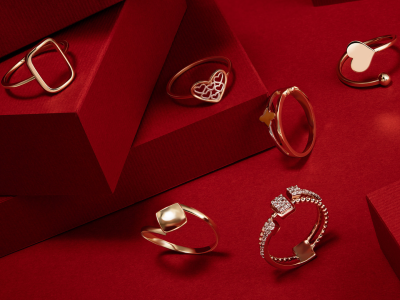
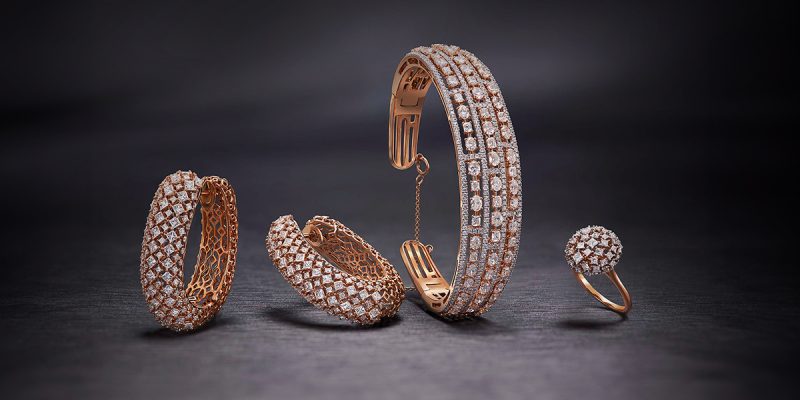
Rings are not just symbols of commitment; they are a statement of style. Engagement rings, wedding bands, cocktail rings, and stackable rings each serve different purposes. The choice of metal—gold, platinum, silver—or the inclusion of gemstones like diamonds, sapphires, or emeralds, influences both aesthetics and value.
3. Earrings
From subtle studs to oversized hoops, earrings are a staple in any jewelry collection. Modern designs often experiment with asymmetry, mixed metals, and unconventional materials, reflecting personal style and current fashion trends.
4. Bracelets and Bangles
Bracelets offer endless styling options, from charm bracelets that tell a story to sleek metal bangles that add elegance. Mixing different types and textures of bracelets has become a fashionable way to express individuality.
5. Brooches and Pins
While less common than other jewelry types, brooches and pins have made a comeback in recent fashion cycles. They are often used to accessorize jackets, bags, and scarves, adding a touch of sophistication.
Materials Used in Jewelry
The material of a jewelry piece plays a critical role in its durability, appearance, and value.
1. Precious Metals
- Gold: Available in yellow, white, and rose variations, gold remains a classic choice. Its purity is measured in karats, with 24K being the purest form.
- Silver: Popular for its affordability and versatility, silver is often used in both traditional and modern designs. Sterling silver, an alloy containing 92.5% silver, is the standard for quality jewelry.
- Platinum: Known for its durability and hypoallergenic properties, platinum is favored for engagement rings and high-end jewelry.
2. Gemstones
Gemstones bring color, symbolism, and luxury to jewelry. Diamonds, rubies, sapphires, emeralds, and semi-precious stones like amethyst, topaz, and peridot each have unique characteristics. Factors such as clarity, cut, color, and carat influence a gemstone’s quality and price.
3. Alternative Materials
Modern jewelry also incorporates unconventional materials such as titanium, stainless steel, resin, and even recycled materials. These offer durability, affordability, and eco-friendly options for conscious consumers.
Jewelry Trends for 2025
Staying updated with jewelry trends helps in making stylish purchases and creating a contemporary collection.
1. Minimalist Designs
Minimalism continues to dominate, focusing on sleek lines, understated elegance, and subtle gemstones. Thin chains, small hoops, and stackable rings epitomize this trend.
2. Vintage and Heritage Styles
Retro designs inspired by the 70s, 80s, and early 20th-century aesthetics are gaining popularity. Vintage engagement rings, art deco necklaces, and antique-inspired brooches offer a timeless appeal.
3. Mixed Metals
Mixing gold, silver, and rose gold in a single piece or ensemble allows for a modern, eclectic look. This trend enables wearers to match jewelry with any outfit or occasion effortlessly.
4. Nature-Inspired Jewelry
Floral motifs, leaf patterns, and organic shapes are becoming more prominent. These designs often incorporate gemstones in earthy tones or use textures that mimic natural forms.
5. Personalization
Custom jewelry featuring initials, names, birthstones, or symbols that hold personal significance is increasingly sought after. Personalized pieces offer emotional value and make ideal gifts.
Jewelry Care and Maintenance
Proper care ensures that your jewelry remains beautiful and retains its value over time.
- Cleaning: Use a soft cloth to wipe metals regularly. For gemstones, gentle soap and water can remove dirt and oils. Avoid harsh chemicals that can damage delicate stones or metals.
- Storage: Store pieces separately in soft pouches or compartments to prevent scratches and tangling.
- Regular Inspections: Check clasps, settings, and chains periodically for wear and tear. Professional maintenance ensures longevity.
- Avoid Exposure: Remove jewelry during activities such as swimming, exercising, or using household chemicals to prevent damage.
Buying Guide: Choosing the Right Jewelry
Selecting jewelry requires consideration of style, material, occasion, and budget. Here are some practical tips:
- Identify Your Style: Determine whether you prefer classic, modern, or eclectic designs. Consider the types of jewelry you wear daily versus special occasions.
- Assess Quality: Learn to identify authentic metals and gemstones. Certification from reputable sources ensures the authenticity and value of the piece.
- Consider Versatility: Invest in pieces that can complement multiple outfits or occasions. A well-chosen necklace or bracelet can elevate everyday attire and formal wear alike.
- Set a Budget: Jewelry ranges from affordable fashion pieces to high-end luxury items. Define your budget to narrow options without compromising on quality.
- Seek Expert Advice: Jewelry stores and certified appraisers can provide guidance on selection, quality, and trends.
Ethical and Sustainable Jewelry
With growing awareness of ethical practices, sustainable jewelry has become an essential consideration. Consumers are increasingly opting for:
- Recycled Metals: Gold, silver, and platinum sourced from recycled materials reduce environmental impact.
- Conflict-Free Gemstones: Gemstones certified to be ethically sourced ensure that no exploitation or conflict is involved.
- Eco-Friendly Brands: Brands committed to transparent sourcing, fair labor practices, and environmental responsibility are gaining prominence.
Jewelry as an Investment
High-quality jewelry can also serve as a long-term investment. Pieces made of precious metals and certified gemstones often retain or increase in value over time. Collector pieces, antique jewelry, and limited-edition designs are especially valuable in the market.
Jewelry and Fashion Integration
Jewelry is an integral part of personal style and fashion expression. Pairing the right jewelry with clothing enhances both the outfit and the piece itself. Some popular fashion integration tips include:
- Matching metals with wardrobe tones for cohesive aesthetics.
- Layering delicate necklaces for casual looks and bold statement pieces for formal events.
- Using earrings to frame the face or highlight hairstyles.
- Incorporating bracelets and rings to add texture and dimension to outfits.
Conclusion
Jewelry is more than a decorative accessory; it is an art form, a cultural expression, and a personal statement. Understanding the types, materials, trends, and care of jewelry allows you to make informed decisions, build a meaningful collection, and express your unique style. Whether investing in luxury pieces or exploring affordable fashion jewelry, each piece carries the potential to become a cherished part of your life.
Frequently Asked Questions (FAQ)
1. How do I determine the value of a gemstone in jewelry?
The value of a gemstone is determined by the four Cs: cut, color, clarity, and carat weight. Certified gemstones from reputable sources ensure authenticity and accurate valuation.
2. Is gold jewelry hypoallergenic?
Pure gold (24K) is generally hypoallergenic. However, lower karat gold alloys may contain metals like nickel, which can cause allergic reactions. Platinum and titanium are also safe options for sensitive skin.
3. Can I wear jewelry every day without damaging it?
Yes, but it is important to avoid exposure to chemicals, water, and physical strain. Delicate pieces should be reserved for occasional wear, while durable metals like platinum and stainless steel are suitable for daily use.
4. What is the best way to store a jewelry collection?
Store jewelry in individual compartments, soft pouches, or a dedicated jewelry box to prevent scratching and tangling. Separate precious metals and gemstones for optimal protection.
5. Are vintage or antique jewelry pieces worth buying?
Yes, vintage and antique jewelry often holds historical, aesthetic, and financial value
. Authentic pieces with well-preserved condition and provenance can be excellent investments.
6. How do I choose jewelry that complements my outfit?
Consider the neckline, color palette, and formality of your outfit. Delicate pieces suit casual wear, while bold or statement pieces enhance formal attire. Mixing metals and layering can add modern flair.
7. Are sustainable and ethical jewelry options more expensive?
While some ethical or sustainable pieces may have a higher initial cost due to responsible sourcing, they offer long-term value, durability, and the satisfaction of supporting ethical practices.