 By James Linda
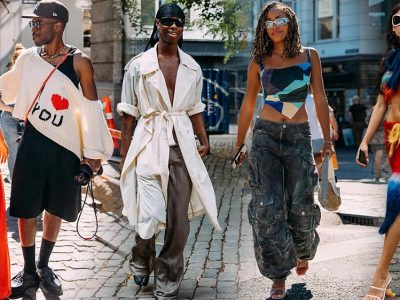
Fashion was once an exclusive, top-down industry where luxury fashion houses, design ateliers, and runway directors dictated what consumers would wear each season. Trends originated in private studios in Paris and Milan, trickling down slowly to department stores and local retail shops. Over the past few decades, that traditional hierarchy has reversed. Today, the most influential fashion movements originate directly on city pavements, in skate parks, across underground music clubs, and through decentralized digital subcultures.
Street style culture has evolved from a subcultural form of self-expression into the primary engine of modern high fashion. Major luxury labels now study the everyday sartorial innovations of everyday youths, adapting raw, utilitarian, and rebellious aesthetics for international runways. Understanding the impact of street style reveals how comfort, identity, subculture, and utility have redefined the global visual landscape.
The Historic Roots of Contemporary Streetwear
Modern street style is not a sudden invention; it is the culmination of decades of subcultural movements that prioritized authenticity, community identity, and functional clothing.
-
Surf and Skate Roots in Southern California: During the late nineteen-seventies and nineteen-eighties, surf and skate pioneers began screen-printing custom graphics onto durable blank t-shirts, hooded sweatshirts, and canvas deck shoes. The emphasis was on loose, durable garments that could withstand concrete abrasion while identifying members of a distinct tribe.
-
The Golden Age of Hip-Hop in New York: In the nineteen-eighties and nineties, hip-hop culture revolutionized urban fashion. Loose tracksuits, customized leather jackets, heavy metal jewelry, timberland work boots, and basketball sneakers were repurposed as powerful symbols of pride, resilience, and personal success.
-
Harajuku and Tokyo Ura-Hara Movements: In Tokyo’s Shibuya and Harajuku districts during the nineteen-nineties, designers pioneered hyper-limited drops, graphic experimentation, and intricate layering that treated streetwear as wearable art, creating the blueprint for modern global hype culture.
-
Punk and Grunge Rebellions: The anti-establishment spirit of London punk and Pacific Northwest grunge introduced distressed denim, raw safety pins, flannel layering, and combat boots into the streetwear lexicon, permanently linking street fashion to individual defiance.
The Domination of Oversized Proportions and Relaxed Silhouettes
One of the most visible ways street style transformed contemporary clothing is the complete rejection of stiff, body-constricting tailoring in favor of exaggerated volume and fluid drape.
-
The Boxy Drop-Shoulder Hoodie: Once reserved for athletic workouts, the heavy-fleece, drop-shoulder hoodie has become a universal wardrobe essential, frequently worn under tailored coats or paired with structured trousers in luxury settings.
-
Baggy and Wide-Leg Denim: Skinny jeans have taken a back seat to relaxed, wide-leg, and flared cuts reminiscent of the nineteen-nineties and early two-thousands. Street style champions comfortable denim that puddles naturally over sneakers.
-
Deconstructed Suiting: Street culture dismantled traditional corporate dress codes. Modern blazers feature dropped shoulder seams, unlined interiors, and generous chest cuts, allowing them to be worn over simple graphic t-shirts and paired with running shoes.
-
Layering with Voluminous Outerwear: Puffer jackets, oversized trench coats, and quilted liners are intentionally layered in varied lengths, creating dimensional silhouettes that prioritize warmth, movement, and visual weight.
The Sneaker Revolution as the Core of Modern Dressing
Footwear has experienced a radical transformation driven entirely by street culture. Sneakers have transitioned from specialized athletic tools into the focal point of luxury style, investment portfolios, and cultural status.
High-Low Hybrid Styling
Street style broke the unspoken rule that sneakers belong only with casual sweatpants or athletic gear. Today, sneakers anchor formal and business-casual ensembles.
-
Tailored Trousers with Retro Runners: Wearing clean, archival running shoes with pleated wool trousers has become a classic contemporary uniform for both office environments and evening events.
-
Slip Dresses with Chunky Court Shoes: Pairing delicate silk or satin slip dresses with heavy, retro basketball sneakers creates a deliberate tension between elegance and ruggedness that epitomizes modern street aesthetics.
The Cultural Power of the Limited Drop
Streetwear brands pioneered the drop model, releasing limited quantities of footwear on specific dates to generate anticipation. This retail framework spread across the entire luxury market, turning sneakers into collectible design artifacts that command thousands of dollars on secondary markets.
Utilitarian Functionality and Technical Gorpcore
Street style has consistently drawn inspiration from functional workwear and outdoor survival equipment. The fusion of urban style with rugged, weather-resistant materials has produced the gorpcore and techwear aesthetics.
-
Tactical Cargo Pockets: Utility pants featuring deep cargo compartments, buckle closures, and reinforced knee paneling offer tactile texture and practical daily storage for urban commuters.
-
Technical Performance Fabrics: Streetwear popularized the daily use of weather-sealed fabrics like high-grade nylon, ripstop weaves, and breathable waterproof membranes in everyday urban jackets, making functional gear fashionable.
-
Outdoor Performance Footwear: Trail running shoes, modular hiking boots, and slip-on recovery mules featuring aggressive lug soles and quick-lace systems have migrated from remote mountain trails onto major city sidewalks.
-
Modular Crossbody Packs: Bulky backpacks have been largely replaced in street fashion by compact tactical sling bags, chest rigs, and modular pouches that hold essential electronics while accentuating an outfit’s geometric lines.
Vintage Revival and the Rise of Upcycled Fashion
Modern street style champions individuality and sustainability through thrifting, archival collecting, and creative upcycling. True credibility in street culture is rarely achieved by simply buying a full outfit off a mannequin; it requires curating a distinct mix of eras.
-
Archival Band and Sports Tees: Faded, vintage graphic tees from past music tours and sporting events are prized for their authentic wash, distressed collars, and nostalgic cultural connections.
-
Custom Patchwork and Sashiko Stitching: Street designers and DIY enthusiasts use traditional visible mending techniques, such as Japanese sashiko stitching and contrasting fabric patches, to breathe new life into worn garments.
-
Reworked Vintage Outerwear: Cutting and sewing mismatched vintage flannel shirts, chore coats, and military surplus jackets into one-of-a-kind hybrid pieces represents a primary pillar of street-level craftsmanship.
-
Sustainable Recontextualization: Embracing pre-owned garments allows fashion enthusiasts to build standout looks while reducing the environmental impact associated with fast-fashion manufacturing.
Bold Graphics, Statement Typography, and Visual Irony
Text and imagery have always served as the primary communication medium of street style. Where luxury fashion once relied on subtle monograms, street culture uses bold typography and visual irony to make statements.
-
Subversive Logo Parody: Streetwear designers frequently take corporate logos, athletic emblems, and luxury insignias, altering their phrasing or imagery to critique consumerism and institutional power.
-
Screen-Printed Statement Backs: Large-scale illustrations, philosophical slogans, and abstract graphic compositions placed across the back panels of jackets and hoodies turn wearers into walking billboards for specific perspectives.
-
Cyber-Punk and Digital Influences: Contemporary street graphics increasingly pull inspiration from early internet typography, retro-futuristic anime, distorted glitch art, and digital vector wireframes.
The Seamless Fusion of Luxury and Streetwear
The distinction between streetwear and luxury fashion has entirely disappeared. Major fashion institutions regularly appoint prominent streetwear designers to lead their creative houses, cementing the reality that luxury now lives on the street.
-
Runway Collaborations: High-profile partnerships between historic luxury houses and everyday skate, sport, and outdoor brands have become regular industry events, demonstrating that high-end craftsmanship and street aesthetics enhance one another.
-
Elevated Everyday Materials: Luxury brands now produce hoodies, track pants, and skate decks using heavyweight cashmere, hand-distressed French terry, and vegetable-tanned leathers, elevating humble street staples to couture status.
-
Democratization of Fashion Influence: Social media platforms have given rise to grassroots trendsetters whose daily street outfits influence global manufacturing trends faster than biannual fashion weeks.
Frequently Asked Questions
What is the core difference between fast fashion and authentic streetwear culture?
Fast fashion involves the rapid mass production of cheap, disposable garments that copy runway or social media trends using synthetic, low-grade fabrics. Authentic streetwear culture is rooted in community identity, subcultural history, limited production runs, durable materials, and personal storytelling. While fast fashion copies the surface look of streetwear, it lacks the cultural heritage, community connection, and longevity that define true street fashion.
How can someone integrate street style into a traditional professional wardrobe?
To incorporate street elements into a professional wardrobe, begin with subtle balance. Pair a clean, monochrome pair of minimalist leather court sneakers with a tailored navy or charcoal wool suit. Alternatively, wear a relaxed, high-quality cotton crewneck t-shirt beneath a structured blazer, or swap a traditional dress shirt for a crisp, boxy oxford button-down left untucked over straight-leg pleated trousers.
Why are retro basketball and skate shoes constantly being re-released?
Retro athletic shoes carry deep nostalgic and cultural value linked to iconic eras of sports, music, and urban culture. Brands continuously reissue classic silhouettes from the nineteen-eighties and nineties because these designs feature timeless, balanced proportions that pair seamlessly with modern relaxed clothing cuts, while providing proven comfort and cross-generational appeal.
How has social media altered the lifecycle of street fashion trends?
Historically, street trends evolved slowly within localized geographic regions, like London, New York, or Tokyo, taking months or years to spread through physical magazines and word of mouth. Social media algorithms now spread street trends globally in real time, accelerating the lifecycle of specific micro-trends while simultaneously allowing niche subcultures around the world to connect, share designs, and collaborate instantly.
What should a beginner look for when investing in their first quality streetwear pieces?
A beginner should focus on versatile, foundational wardrobe anchors made with high-density construction. Look for heavyweight French terry or fleece hoodies with double-needle stitching, heavyweight cotton blank t-shirts weighing at least two hundred grams per square meter, a durable pair of raw or medium-wash straight-leg denim, and an understated pair of versatile heritage sneakers in a neutral colorway.
Why is functional workwear, like canvas chore jackets and double-knee pants, so popular in street culture?
Workwear garments were originally engineered for industrial laborers, meaning they feature heavy cotton canvas, reinforced rivets, double-layered knees, and triple-stitched seams built to withstand severe physical stress. Street culture embraces workwear because of this authentic durability, affordability, utilitarian aesthetic, and the fact that these garments look better as they fade and develop character over years of wear.
How does street style challenge traditional gender norms in fashion?
Street style has largely popularized unisex and gender-fluid dressing by emphasizing relaxed, oversized cuts that do not adhere to rigid anatomical tailoring. Both men and women regularly shop across departments, sharing identical silhouettes such as boxy hoodies, wide-leg utility trousers, oversized outerwear, and unisex sneaker models, prioritizing personal proportion and comfort over traditional gender conventions.
What is your reaction?
Excited
0
Happy
0
In Love
0
Not Sure
0
Silly
0