 By James Linda
The modern fashion landscape has experienced a dramatic evolution in recent years, with dresses reclaiming center stage as versatile, expressive, and essential wardrobe anchors. Where traditional dress design often forced wearers to choose between rigid formality and overly casual wear, contemporary dress trends bridge these boundaries effortlessly. Designers, independent boutiques, and runway houses are embracing silhouettes that harmonize physical comfort, tactile fabrics, architectural tailoring, and nostalgic aesthetics.
Today, dresses are no longer reserved strictly for formal occasions, weddings, or corporate offices. They function as all-in-one style solutions that transition seamlessly from daytime commutes to evening dinners with minimal adjustment. Understanding the defining dress trends shaping modern fashion offers valuable insight into how proportion, texture, functional tailoring, and vintage revivals are redefining everyday style.
The Resurgence of the Nineties Slip Dress
Few silhouettes have maintained the enduring popularity and cultural cachet of the nineties-inspired bias-cut slip dress. Originally popularized as delicate lingerie before crossing over into mainstream eveningwear, the modern slip dress has evolved into one of the most versatile layering garments in a contemporary wardrobe.
-
Fluid Bias-Cut Drape: Cutting fabrics on the bias grain allows the textile to drape naturally across the body contours without requiring stiff corsetry, darts, or rigid boning. This technique delivers an effortless, liquid-like silhouette that moves freely.
-
Fabric Diversity: While traditional silk charmeuse and satin remain timeless staples for formal wear, modern interpretations utilize sandwashed silk, modal blends, cupro, and textured crepe to offer matte, wearable finishes suitable for daily use.
-
High-Low Versatility: The beauty of the modern slip dress lies in its adaptability. Draped under an oversized boyfriend blazer and grounded with chunky leather loafers, it creates a balanced business-casual look. Styled with a cropped denim jacket and white retro sneakers, it transforms into an easy weekend staple.
-
Year-Round Layering: Rather than being restricted to warm summer months, slip dresses serve as excellent transitional garments. Layering a fine-gauge merino wool turtleneck underneath or throwing a chunky fisherman knit sweater over the top turns a slip dress into a dynamic cold-weather midi skirt.
The Quiet Drama of Voluminous and Drop-Waist Silhouettes
Modern dress design has embraced generous proportions, celebrating structured volume that stands apart from standard body-hugging fast-fashion cuts.
-
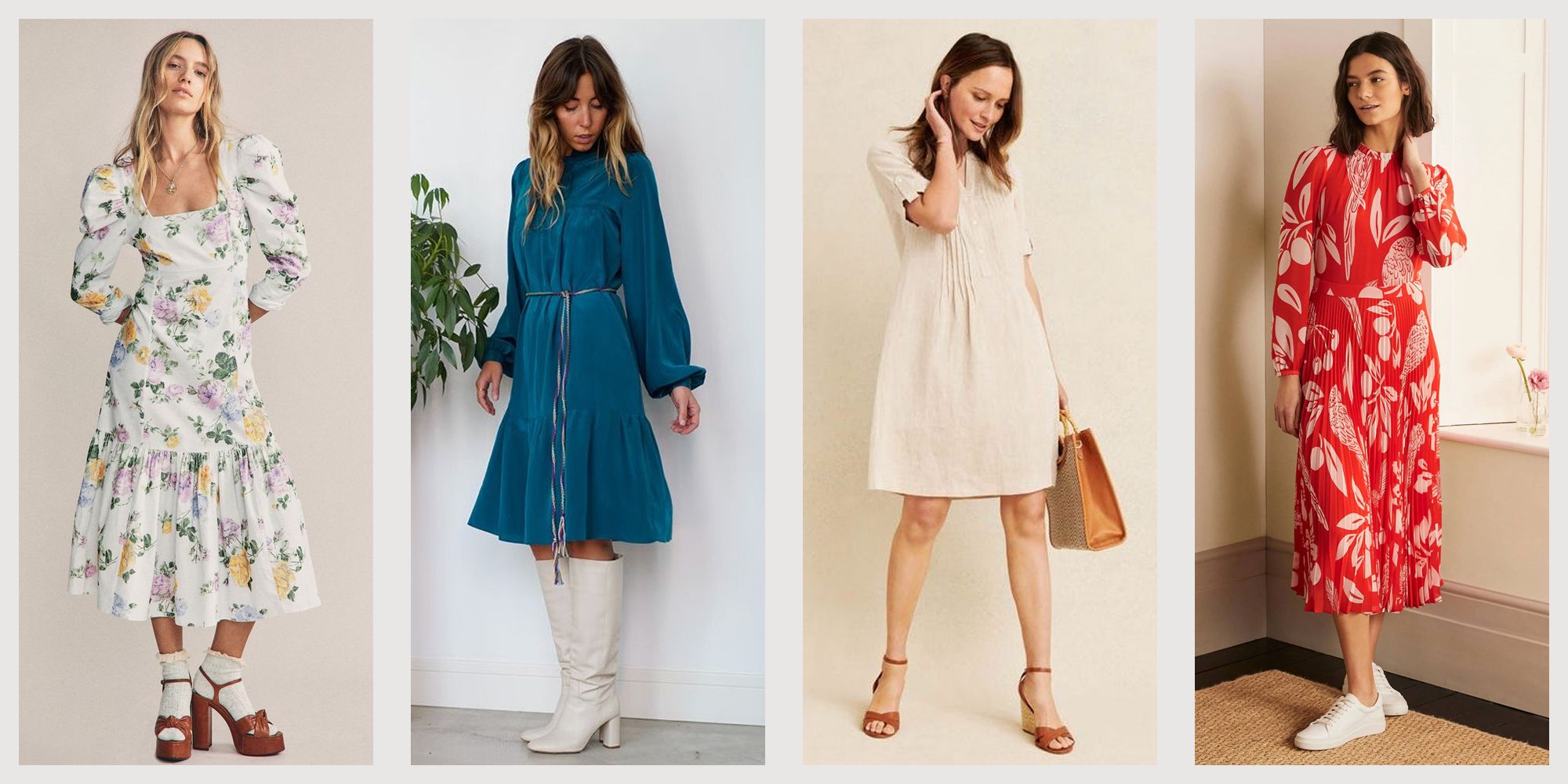
The Modern Drop-Waist Revival: Moving away from traditional natural-waist seams, the drop-waist silhouette lowers the transition point to the high hip. This architectural adjustment lengthens the torso, creating an elongated, elegant profile reminiscent of nineteen-twenties flapper cuts and eighties evening wear.
-
Tiered Smocked Maxi Dresses: Featuring gathered elastic smocking across the bodice and tiered A-line skirts, these dresses combine forgiving comfort with artisanal charm. The elastic construction adapts comfortably to movement while the voluminous skirt delivers easy breathability.
-
Sculptural Bubble Hems and Balloon Sleeves: Architectural sleeves and curved bubble hems bring dynamic visual weight to minimalist cotton poplin dresses. These structural elements create bold shapes that require zero secondary accessories to make an impression.
The Dominance of Tactile Knit and Ribbed Dresses
The blurring of boundaries between loungewear and elevated daywear has placed knit dresses at the forefront of contemporary fashion. Modern consumers demand garments that feel as comfortable as loungewear while presenting a sharp, put-together appearance.
-
Heavyweight Ribbed Cotton and Viscose: Dense, compact knit construction provides natural structure and gentle compression, smoothing lines while ensuring the fabric remains completely opaque under natural light.
-
Midi and Maxi Column Cuts: Long, straight-cut knit columns hug the figure gently from shoulder to hem, creating a clean, uninterrupted vertical line that visually elongates the frame.
-
Open Collars and Polo Necklines: Incorporating sporty polo collars, Henley button plackets, and open V-necks into knit dresses adds a touch of classic athletic elegance, making them ideal for casual work environments and business travel.
-
Textural Open-Knit and Crochet Styles: For warm-weather seasons, open-work crochet knits and textured open weaves offer breathability and artisanal texture, working equally well as beachside cover-ups or layered over tonal slips for dinner.
Utilitarian Details and Elevated Shirt Dresses
Functional utility continues to influence modern fashion, turning the classic button-down shirt dress into a versatile powerhouse of modern styling.
-
Structured Poplin and Crisp Twill: Utilizing high-thread-count organic cotton poplin, crisp linen, and durable twill provides crisp collars, sharp cuffs, and clean pleating that holds its shape throughout long working days.
-
Adjustable Waist Framing: Modern shirt dresses feature integrated self-tie fabric belts, cinchable drawstrings, or structured d-ring buckles, allowing the wearer to alternate between a relaxed, boxy shift shape and a defined, hourglass waist.
-
Deep Functional Pockets: Modern design has answered the widespread demand for functional storage. Deep in-seam pockets, flap-covered cargo compartments, and tailored chest patch pockets bring everyday utility to feminine garments.
-
Modular Sleeve and Hem Lengths: Roll-tab sleeves, hidden button plackets, and high side-slit seams give shirt dresses functional flexibility, allowing wearers to adjust ventilation and styling according to shifting temperatures.
Dramatic Cutouts and Asymmetrical Necklines
For eveningwear, parties, and warm-weather vacations, modern dresses have moved away from standard symmetrical necklines in favor of geometric asymmetry and unexpected skin reveals.
-
Architectural Midriff and Side Cutouts: Rather than relying solely on deep plunging necklines or ultra-short hem lengths, modern cuts introduce subtle side cutouts, open backs, and keyhole closures that add intrigue without compromising elegance.
-
One-Shoulder and Asymmetrical Drapes: Highlighting the collarbones and shoulders through diagonal, one-shoulder cuts and sculptural necklines brings an artistic, high-fashion aesthetic to standard cocktail attire.
-
Ruched and Drawstring Accents: Adjustable drawstrings integrated into side seams allow wearers to customize the level of ruching, altering the dress length and drape to suit personal comfort levels.
Cottagecore and Romantic Vintage Flourishes
A yearning for nostalgia, handmade craftsmanship, and slower living has solidified the place of romantic vintage-inspired dresses in modern collections.
-
Corset-Inspired Bodices with Soft Boning: Channeling historical Regency and Victorian silhouettes, dresses featuring soft-structured bustier cups and delicate lace-up backs provide gentle shaping while celebrating vintage tailoring.
-
Micro-Floral Prints and Botanical Illustrations: Moving away from loud, abstract neons, modern floral dresses feature delicate ditsy prints, muted botanical motifs, and English garden-inspired patterns on natural linen and cotton bases.
-
Ruffled Yokes and Broderie Anglaise: Delicate eyelet embroidery, scalloped trims, and feminine ruffle accents add romantic dimension to airy summer sundresses.
Frequently Asked Questions
How can I style a casual cotton summer dress for a formal office setting?
You can elevate a casual summer dress by layering a structured, tailored blazer in a contrasting neutral tone over top and swapping casual sandals for pointed-toe flats, low block heels, or sleek leather loafers. Adding a structured leather work tote and a slim leather belt over the waist creates a polished, professional finish that balances casual fabrics.
What is the most versatile dress length for someone building a minimalist capsule wardrobe?
The midi length, which falls midway between the knee and the mid-calf, is widely considered the most versatile dress length. It provides adequate coverage and modesty for professional settings, moves comfortably without dragging on the ground during casual daytime walks, and pairs seamlessly with virtually any footwear style, including sneakers, ankle boots, knee-high boots, and open-toe heels.
How do I prevent static cling from ruining the drape of a bias-cut slip dress?
Static cling can be eliminated by moisturizing your legs thoroughly before dressing, wearing a smooth anti-static slip underneath synthetic fabrics, or lightly spraying the inside hem of the dress with a commercial anti-static fabric spray. In a pinch, running a metal wire hanger lightly over the fabric surface or applying a tiny dab of hand lotion to your palms and smoothing it over your tights will neutralize static charges immediately.
Can voluminous drop-waist dresses be worn flattering by shorter or petite individuals?
Yes. Petite individuals can wear drop-waist silhouettes effectively by selecting dresses where the waist seam drops only slightly below the natural waistline rather than sitting low across the thighs. Pairing the dress with footwear that shows the ankle or top of the foot, opting for monochrome colors, and avoiding horizontal color breaks ensures the lower seam does not visually shorten the legs.
What is the best way to launder and care for delicate ribbed-knit dresses to prevent stretching?
To preserve the shape and elasticity of knit dresses, wash them on a delicate cycle in cold water using a mesh laundry bag, or hand wash them with a gentle detergent. Never hang a heavy wet knit dress on a coat hanger, as the weight of the water will permanently stretch the shoulder seams and lengthen the body. Instead, gently press out excess water with a dry towel and lay the garment flat on a drying rack to dry naturally.
Why have square necklines become so prominent across modern dress designs?
Square necklines have gained massive popularity because their clean, right-angled geometric shape provides a flattering frame for the collarbones and bust while offering broad shoulder support that easily conceals standard bra straps. This cut naturally balances wider hips and pairs exceptionally well with both minimalist pendant jewelry and bare collarbones.
How do I choose between an A-line dress and a sheath dress for everyday wear?
Choose an A-line dress if you prioritize unrestricted ease of movement, continuous airflow around the lower body, and a forgiving cut that flatters without clinging through the hips and thighs. Opt for a sheath dress if you prefer a streamlined, tailored look that follows the natural contours of the body, offering a sharper, more formal profile that fits neatly beneath tailored outerwear.
What is your reaction?
Excited
0
Happy
0
In Love
0
Not Sure
0
Silly
0